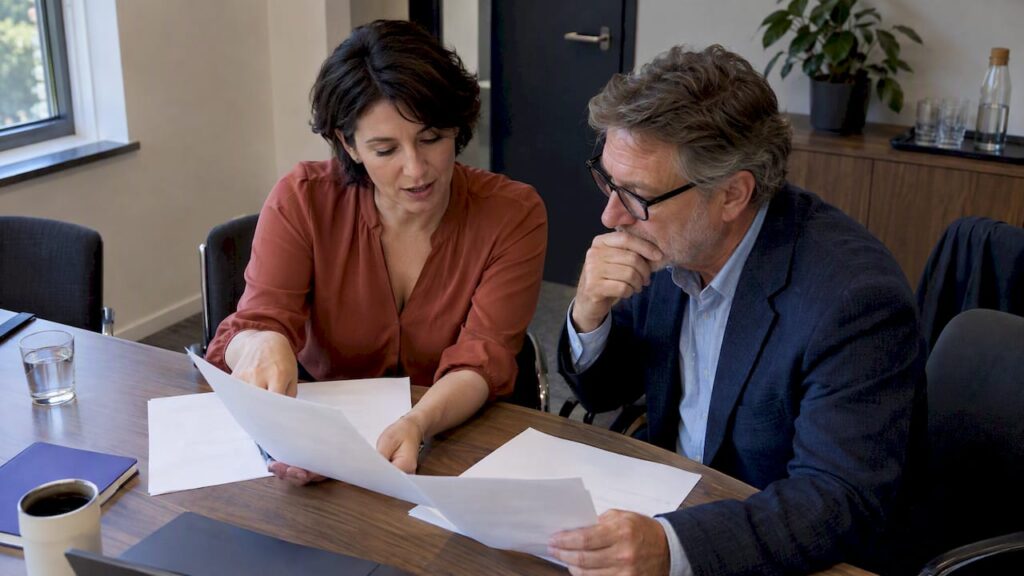
A strong leadership retreat agenda delivers one outcome: alignment, decisions, and named owners for every action. The flow that gets you there is simple: a short opening, focused strategic work blocks, team practice, a decision session, and action planning. Below you will find sample agendas for different retreat lengths that you can adapt today.
TL;DR:
- Choose the shortest format that fits: a half day suits one topic, a full day handles two or three, and overnight adds relationship building.
- Name attendees, presenters, a facilitator, and a note taker before drafting the schedule; presenters and facilitators should be different people.
- Leave breathing room rather than packing the schedule, and use breakouts or prioritization matrices to draw out quieter voices and force clear rankings.
- Send a decision memo within 24 hours, naming each owner and deadline, then connect decisions to budgets, reviews, or a plan covering 90 days.
Table of Contents
- Why run a leadership retreat, and what should you expect from it?
- What should you settle before drafting the minute-by-minute agenda?
- Which sample leadership retreat agenda fits your time?
- How do you facilitate so the room gets candid and decides?
- What belongs on your logistics checklist?
- How do you turn retreat outputs into work?
- A facilitator’s habit worth stealing
- Want help designing or leading your retreat?
- FAQ
- Sources
Why run a leadership retreat, and what should you expect from it?
A retreat earns its cost when it produces results a regular meeting can’t. Plan for outcomes you can check afterward:
- Organizational alignment: leaders leave describing the same priorities in the same words.
- Concentrated decision-making: choices that stall for weeks in calendar-fragmented meetings get made in one sitting.
- Stronger cross-team relationships: people who only trade emails start solving problems face to face.
- Clarified priorities: goals tie directly to budgets or your next 90-day cycle.
A retreat beats a standing meeting when the decisions are complex, the strategy needs a reset, or the team needs one shared direction. It only works if the output lands back in your normal business rhythm. University strategic-planning guidance makes the same point: connect decisions to budgets, performance reviews, or implementation plans, or the outputs fade into pleasant memories.
What should you settle before drafting the minute-by-minute agenda?
Don’t open a blank schedule yet. Get these inputs first, because they decide whether your sessions are productive or just busy:
- Pick a focused set of outcomes. Name each one and link it to a budget line, a quarterly cycle, or a leadership priority. If you can’t say how an outcome will be used, cut it.
- Set the attendee list and roles. Decide who must be in the room, who presents, who facilitates, and who takes notes. Presenters and facilitators should not be the same person.
- Assign pre-work. Send data packs and briefings in advance. Ask for a short position memo or a slide cap so nobody burns the morning on an oversized deck.
- Plan rehearsals. Anyone presenting should run through it once with a colleague before the retreat.
- Build the timeline. Work backward from the retreat date and assign each task to a planning-committee member with a due date.
If you want a deeper look at structuring individual sessions, our guide on building a leadership workshop agenda maps directly to the blocks below.
Which sample leadership retreat agenda fits your time?
Here are three templates. The schedules are suggestions. Shrink or stretch them, but keep the order: alignment first, decisions last, never the reverse. University retreat planning guides include half-day, full-day, and weekend samples with icebreakers and SMART goal worksheets, and the Partners In Health toolkit offers another sample agenda built around concrete, owned goals.
Half-day agenda (about 4 hours)
- Welcome and norms: the sponsor states the outcome and the ground rules. Led by the executive sponsor.
- Alignment exercise: each leader names their top priority on a card; the group clusters them. Led by the facilitator.
- One deep dive (90 min): a single strategic question, with a small-group breakout and report-back. Break for 15 minutes midway.
- Action planning (60 min): convert decisions into owners and dates. Led by the facilitator.
- Close: commitments from each person.
Full-day agenda (about 8 hours)
- Morning alignment: opening, norms, and a shared view of the current state. Add an energizer during the session.
- Midday deep dives: strategic topics with a working lunch between them. Presenters lead, the facilitator keeps time.
- Afternoon prioritization: use a prioritization matrix to rank options, then decide.
- Evening follow-up commitments (4:45 to 5:30): owners and deadlines get written down in the room.
Weekend or overnight agenda
- Opening evening: a relaxed dinner and a team-building activity. Skip the slides.
- Day two, strategy and design (full day): follow the full-day structure above, with a role-play exercise after lunch.
- Day two, reflection and action planning (final 90 min): each leader shares what changed in their thinking, then commits to owners and dates.
How do you facilitate so the room gets candid and decides?
The agenda is only half the work. Facilitation decides whether people speak honestly. SHRM Executive Network guidance warns against over-planning: leave room for real exchange, and give presenters time to prepare and rehearse. Use formats that make people engage:
- Investor-style pitch role-play: leaders pitch an initiative to peers acting as skeptical backers.
- Small-group breakout and report-back: quieter voices get heard before the plenary.
- Appreciative inquiry: start from what already works, then build on it.
- Prioritization matrices: force a ranking instead of a wish list.
- Candid-with-care norm: brief the room at the start. Say hard things directly, and say them kindly.
Match warm-ups to the phase. A quick two-truths-and-a-lie works at the open. A movement-based energizer helps after lunch. A trust exercise, like sharing a recent mistake, fits the overnight format. Our list of interactive workshop activities has plenty to drop into any block.
Pro Tip: Schedule a rehearsal for every presenter well before the retreat. It surfaces confusing slides and trims time overruns before they hit the room.
What belongs on your logistics checklist?
Operational slips derail good strategy. Tick these off before the day:
- Venue and layout: one room for plenary work, plus breakout space with enough wall room for flip charts.
- AV and tech: test wifi, microphones, and the shared document everyone will edit. Decide in advance whether you’ll record.
- Materials: printed data packs, blank action templates, markers, sticky notes.
- Access and food: confirm accessibility needs and dietary restrictions with every attendee.
- Communications: send the agenda and pre-work in advance, then a packing list, expectations, and any waivers a few days before.
- Alternative formats: if you want fresh ideas for off-site activities, team retreat itineraries can spark options.
How do you turn retreat outputs into work?
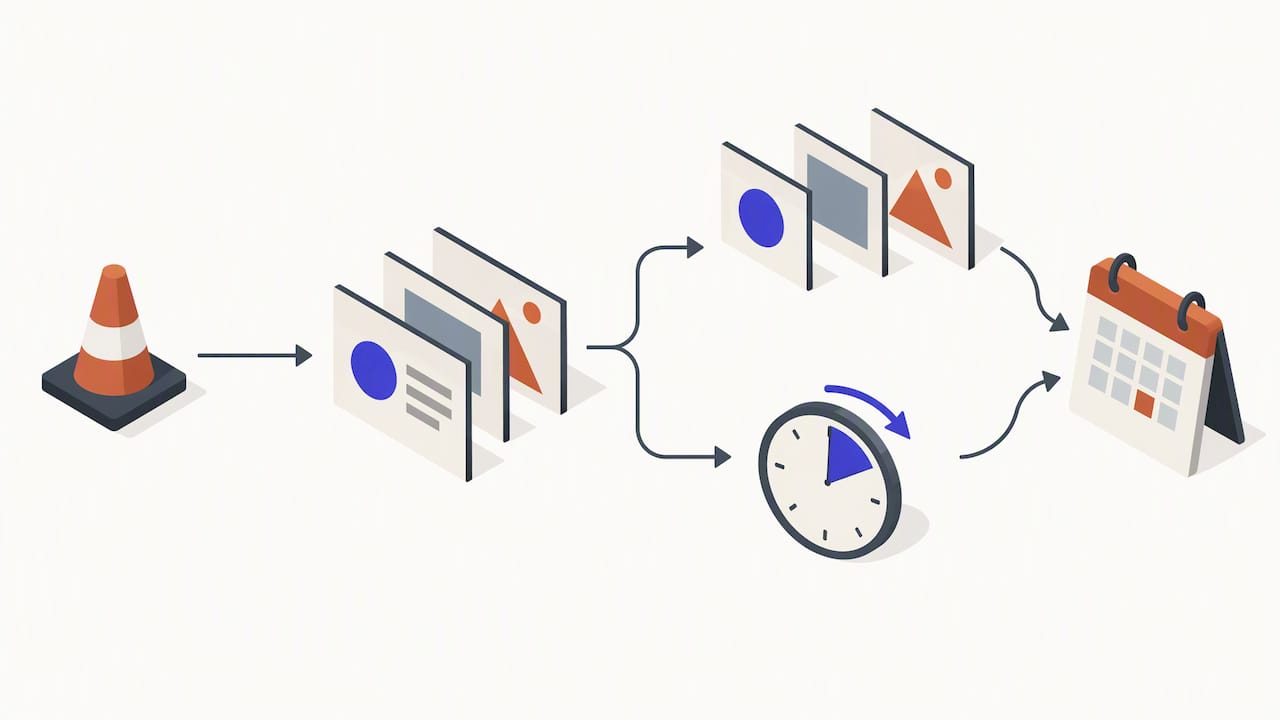
A retreat that ends with a warm feeling and no owners has failed. Use this sequence:
- Write a concise decision memo before anyone leaves. List each decision, the owner, and the deadline.
- Convert decisions into SMART goals. Make each one specific, measurable, assigned, realistic, and time-bound.
- Set a 90-day rhythm. Hold regular check-ins as the 90-day plan progresses. Our 90-day leadership workshop topics show one way to structure that follow-up.
- Hand actions into existing systems. Put them in budgets, project plans, and performance reviews, so they compete for attention with everything else.
- Run an accountability check. Each owner reports status in one sentence at every check-in.
Pro Tip: Send the decision memo within 24 hours. Speed signals that the retreat mattered.
A facilitator’s habit worth stealing
If I could give you one habit, it is this: end every block with a brief commitment from each person, spoken aloud. A spoken commitment can help move a discussion toward a decision. People hide in vague agreement. A spoken commitment is hard to hide behind. Adapt every template here to your culture, and keep this habit.
— Middy
Want help designing or leading your retreat?
We offer interactive workshops, half-day trainings, and panel moderation built around our “Training, Not Selling” philosophy. If you’d like to discuss your retreat, we can talk through your needs. Learn more about our half-day leadership training and reach out to talk through your retreat.
FAQ
How long should a leadership retreat be?
It depends on the decisions you need to make. A half-day works for one focused topic, a full day suits two or three, and an overnight stay fits strategy plus relationship building. Pick the shortest format that gives you enough time to decide and assign owners.
Who should attend a leadership retreat?
Invite the people who must make or carry out the decisions. Keep the group small enough for real discussion, and make sure presenters, a facilitator, and a note-taker are named ahead of time.
What is the biggest mistake in a leadership retreat agenda?
Over-planning. SHRM Executive Network guidance cautions against packed schedules and recommends leaving space for genuine exchange. Build breathing room into every block.
How do you make sure retreat decisions actually happen?
Capture them in a one-page memo with owners and deadlines before people leave. Then tie each one to a budget, a review, or a 90-day plan, as university planning guidance advises.
Sources
- What Makes a Great Executive Retreat
- CD1882 – Facilitating Strategic Planning in Groups Using an Asset-based Approach
- Retreat Planning Guide
Leave a Reply