
Use frequent, strengths-based, specific feedback paired with fair process and a real follow-up date. CIPD research ties perceived fairness to whether feedback lands at all, and SHRM’s behavioral evidence shows short, regular check-ins beat the annual review grind. We spend workshops teaching managers exactly these micro-practices.
TL;DR:
- Frequent check-ins are more effective than annual reviews for ongoing improvement, with weekly 1:1s and monthly meetings addressing small issues early.
- Using the Situation-Behavior-Impact model and starting with strengths enhances the clarity and fairness of feedback, increasing its effectiveness.
- Separate developmental coaching from administrative ratings to reduce employee defensiveness and maintain perceived fairness.
- Follow-up must be scheduled in advance with specific actions and deadlines to ensure feedback leads to measurable progress.
- Delivery skills, such as asking for the employee’s perspective first and practicing opening lines, significantly impact feedback’s reception and success.
Table of Contents
- What Good Feedback Actually Looks Like
- When to Check In vs. When to Hold a Formal Review
- Building a Feedback Process Your Team Will Actually Use
- Manager Skills That Make Feedback Land
- What the Research Actually Says
- Did the Feedback Actually Work? How to Check
- Why Coaching Habits Beat One-Off Advice
- Turning These Skills Into a Habit Your Managers Keep
- FAQ
- Sources
What Good Feedback Actually Looks Like
Most managers were trained to point out what went wrong. The better move is feedforward: naming what worked and asking how to repeat it. A randomized trial summarized by CIPD found this strengths-based approach produced higher-rated performance than criticism-first conversations, partly because it protects self-efficacy instead of chipping away at it.
The Situation-Behavior-Impact model gives you a structure that avoids vague praise or vague blame. Name the situation, describe the specific behavior, state the impact it had. “In yesterday’s client call, when you paused to ask clarifying questions, the client relaxed and gave us the real budget number” lands differently than “good job on that call.”
- Open with what the person did well before addressing the gap.
- Describe behavior, not character (“you missed the deadline,” not “you’re disorganized”).
- Name the impact on the team, client, or outcome.
- End with one agreed next step and a date to revisit it.
Research shows feedback has a moderate average positive effect on performance, but the impact can vary widely from harmful to highly effective depending on how it is delivered and received. The interACT case study highlights that delivery and reception greatly influence feedback effectiveness.
When to Check In vs. When to Hold a Formal Review
Weekly conversations and annual reviews solve different problems, and conflating them is where most feedback cultures break down. Quick check-ins catch small issues before they calcify; formal reviews exist for documentation, compensation, and promotion decisions.
- Weekly 1:1s (15 to 20 minutes): surface blockers, give one piece of behavior-specific feedback, confirm priorities.
- Monthly check-ins (30 minutes): review progress against goals, revisit any open action items from the SBI conversations.
- Quarterly goal reviews: reset priorities, discuss skill development, flag anything that needs to escalate to a formal review.
- Formal review (semi-annual or annual): compensation, promotion readiness, documentation for HR.
SHRM’s behavioral research found that frequent, low-cost reminders can drive behavior change efficiently, often nearly matching more intensive interventions. This suggests short, regular check-ins can be more effective than only annual reviews. An individual contributor might need weekly nudges on a specific skill gap; a team lead might need monthly check-ins plus a standing item on team culture.
Building a Feedback Process Your Team Will Actually Use
The biggest trap is mixing developmental coaching with administrative rating in the same meeting. When an employee senses their raise is on the line, they stop listening for growth advice and start defending their record. The CIPD evidence review recommends keeping these conversations separate to reduce defensiveness and protect perceived fairness.
A workable process needs four steps, repeated consistently:
- Capture the observation the day it happens, while details are fresh.
- Write a short feedback note using the SBI structure, no more than three sentences.
- Agree on one action with the employee, not a list of five.
- Set a follow-up date within one to two weeks to check progress.
Keep notes in whatever system your HR team already sanctions, and store only what is relevant to performance, not personal commentary. A simple shared document or your HR platform’s notes field works fine. Tools like ClickCoach are built specifically for tracking this kind of follow-up without turning it into another spreadsheet nobody opens.
Manager Skills That Make Feedback Land
Delivery skill matters as much as the message. Before telling someone what you observed, ask what they noticed about their own performance first. That single habit shift, asking before telling, reduces defensiveness because it gives the employee voice in the conversation rather than a verdict.
Four micro-skills separate feedback that sticks from feedback that gets nodded at and ignored:
- Ask what the employee already thinks happened before you share your view.
- Describe the specific behavior and its impact, not a general impression.
- Agree on one next step together, rather than assigning one.
- Check understanding by asking the employee to restate the action in their own words.
Pro Tip: Practice the opening line out loud before a hard conversation. The first ten seconds set whether the other person leans in or shuts down.
Role-play with a peer, run a “feedback on feedback” session where you ask the recipient how the conversation felt, or use calibration meetings to compare how different managers handle similar situations. One caution: soliciting input and then ignoring it is worse than not asking at all. Research on feedback receptivity found that leaders who ask for reactions but never act on them lose more trust than leaders who never asked.
What the Research Actually Says
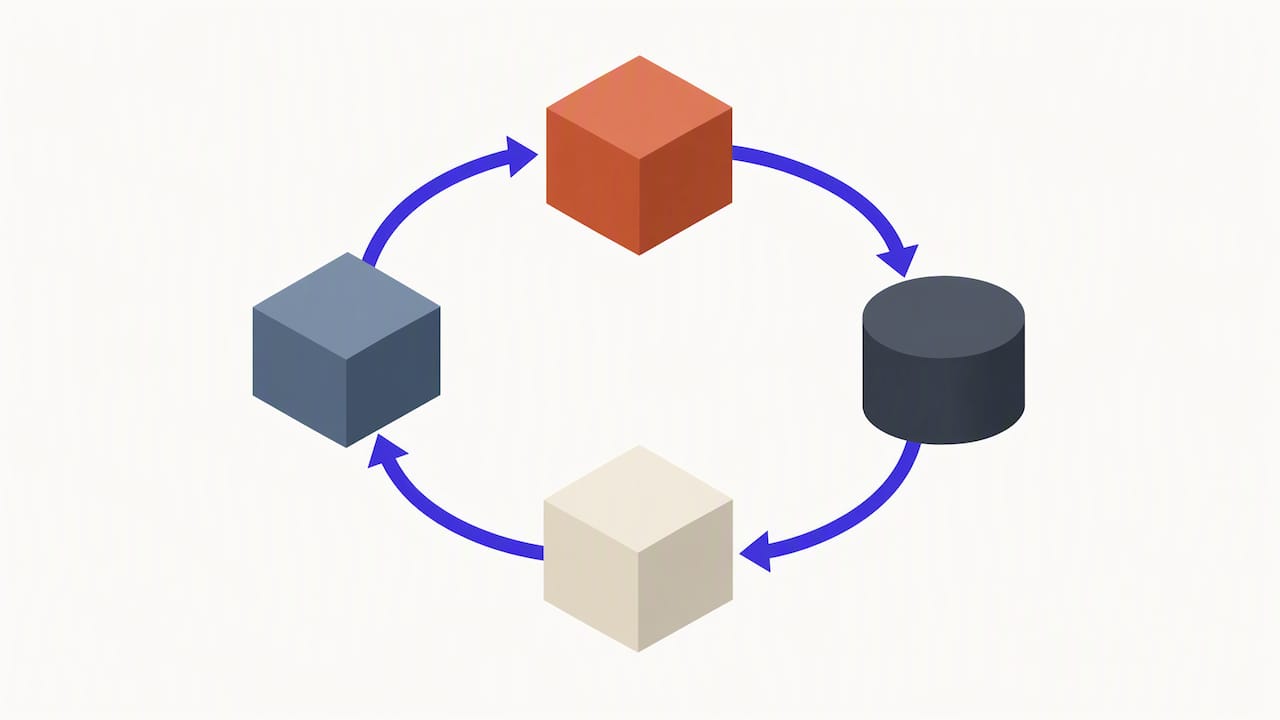
Three findings should anchor every feedback conversation you have. Perceived fairness, what CIPD calls procedural justice, moderates whether feedback improves performance or backfires; employees need to feel the process is consistent, accurate, and gives them a voice. Feedback’s effect on performance varies widely study to study, and the interACT review attributes much of that variance to how feedback is delivered rather than what it contains. Frequent, low-cost check-ins drive more behavior change than sporadic intensive reviews, a pattern SHRM’s labs team found holds across domains beyond workplace performance.
Feedback’s average effect on performance is moderate, but the spread between harmful and highly effective instances is wide, which is why delivery technique matters more than frequency alone, according to the interACT case study.
- Lead with strengths before addressing gaps.
- Separate developmental talks from rating conversations.
- Schedule the follow-up before the conversation ends, not after.
Did the Feedback Actually Work? How to Check
A feedback conversation that ends without a follow-up is a conversation that rarely changes anything. Build a short checklist into your follow-up meeting: did the employee take the agreed action, did the impact match what you both expected, does the next step need adjusting?
Track a mix of signals rather than one number. Watch engagement in 1:1s, short-term performance indicators tied to the specific behavior discussed, and a simple log of whether agreed actions were completed on time.
- Defensiveness during the conversation: give the employee more voice, ask what they noticed first.
- Perceived unfairness: explain the process behind the decision, not just the decision itself.
- No follow-through: set a micro-deadline, days not weeks, and check in briefly before it arrives.
| Failure mode | Likely cause | Fix |
|---|---|---|
| Defensiveness | Feedback felt one-directional | Ask for their view before sharing yours |
| Perceived unfairness | Process felt inconsistent or opaque | Explain criteria and apply them consistently |
| No follow-through | No deadline or owner attached | Set a specific date and name who checks in |
Why Coaching Habits Beat One-Off Advice
Thirty years on a court and in real estate taught me the same lesson twice: a single piece of advice rarely changes a habit, but repeated, specific feedback in the flow of practice does. Feedforward works the same way a good coach works, pointing at what just went right and asking the player to do it again on purpose. That is the whole premise behind our training philosophy, and it is why we built workshops around rehearsal instead of slide decks. You do not build a feedback habit by reading about SBI once. You build it by practicing the opening line until it stops feeling awkward.
— Middy
Turning These Skills Into a Habit Your Managers Keep
Reading about SBI and feedforward gets you halfway there. The other half is saying the words out loud enough times that they stop feeling scripted, which is exactly what our interactive workshops are built for.

Our Trained, Not Sold. interactive workshop gives managers and client-facing teams live practice with feedback delivery, not just a framework on a handout. For departments that want a deeper intervention, our Coached, Not Bossed. half-day training walks managers through calibration exercises and real role-play until the SBI structure becomes second nature. Neither replaces ongoing practice inside teams, but both give managers a running start on the exact habits covered above. If planning a leadership event or team offsite, consider a session built around these feedback practices.
FAQ
What are some good feedback practices?
Good feedback practices combine frequency, specificity, and fairness: give short, regular feedback using a structure like Situation-Behavior-Impact, lead with strengths, and always agree on a next step with a follow-up date. CIPD’s evidence review ties the effectiveness of these practices directly to whether employees perceive the process as fair.
What are the 5 C’s of performance management?
Definitions of the “C’s” vary across HR sources, so there is no single agreed version. The consistent themes across most frameworks are clarity, consistency, communication, coaching, and continuous feedback, all of which align with the practices covered above.
What are the five R’s of feedback?
Like the C’s frameworks, the “R’s” framework is not standardized and appears differently across practitioner sources. Rather than memorizing a specific acronym, managers get more consistent results applying the SBI structure and the fairness principles outlined by CIPD.
What are the 8 most common performance appraisal methods?
Common appraisal methods include multi-source feedback, self-assessment, management by objectives, graphic rating scales, critical incident method, ranking methods, behaviorally anchored rating scales, and continuous feedback models. The research covered here points toward continuous, conversation-based methods over annual-only appraisal, since SHRM’s analysis found frequent check-ins produce more consistent behavior change.
Leave a Reply