
Intrinsic motivation means doing something because the activity itself feels satisfying; extrinsic motivation means doing it for a separate reward or to avoid a consequence. Both matter, but they do different jobs: intrinsic motivation predicts the quality of what you produce, while extrinsic incentives tend to drive quantity. The practical move is to use incentives on purpose, not by default, and to protect autonomy wherever you want depth, creativity, or mastery.
TL;DR:
- Incentives can boost short-term output but do not reliably improve overall skill or mastery in education or workplace settings.
- Empowering leadership styles foster intrinsic motivation more effectively than authoritarian or transformational approaches.
- Supporting autonomy, competence, and relatedness helps sustain motivation, especially when incentives are framed as informational rather than controlling.
- Rewards tied to learning, teamwork, or mastery encourage deeper engagement rather than just quantity of output.
- Reframing incentives and feedback to focus on skill development and ownership strengthens motivation over time.
Table of Contents
- Spotting the Difference in Real Life
- What the Research Actually Shows
- Why Autonomy Is the Hinge Point
- How to Build Motivation That Lasts
- Where Motivation Advice Goes Wrong
- What Thirty Years in Competitive Sports and Real Estate Taught Me About Motivation
- Bring This Into Your Team or Classroom
- FAQ
- Sources
Spotting the Difference in Real Life
We see this split everywhere once we start looking for it. A person who runs because they love the feeling of movement is intrinsically motivated; a person who runs because a wearable app promises a badge is extrinsically motivated. Neither is wrong, but they tend to show up differently over time.
Intrinsic motivation is doing something because the activity itself is the reward. Here is what that looks like in practice:
- A hobbyist who paints on weekends with no plan to sell anything.
- A student who reads ahead in a textbook out of pure curiosity.
- A software developer who stays late fixing a bug because the puzzle is satisfying.
Extrinsic motivation is doing something to get a separable outcome, like money, a grade, or approval. Common examples include:
- An employee who hits a sales target to earn a quarterly bonus.
- A student who studies specifically to get an A rather than out of interest in the subject.
- A runner who signs up for a race because a friend offered to split the entry fee.
Here is the part most people miss: extrinsic motivation is not one flat category. Some extrinsic motives feel imposed from outside, like working late only because you are afraid of being reprimanded. Others feel personally endorsed, like working late because you genuinely value being reliable for your team. That second kind sits much closer to intrinsic motivation on what researchers call the autonomy continuum, which we unpack a bit later.
What the Research Actually Shows
A lot of workplace and classroom advice on motivation is built on hunches. The stronger evidence points somewhere more specific and more useful.
A 40-year meta-analysis covering 183 studies and more than 212,000 participants found that intrinsic motivation predicts the quality of performance (ρ = .21 to .45), while extrinsic incentives are stronger predictors of quantity, and the size of that effect depends on how salient the incentive is (Cerasoli, Nicklin, and Ford, 2014). In plain terms, if you want someone to produce more units, incentives tend to work. If you want someone to produce better work, you need them to care about the task itself.
Education trials back this up in an uncomfortable way for anyone hoping cash is a shortcut. One of the UK’s largest-ever trials on incentive schemes, run across more than 10,000 pupils in 63 schools, found that financial and event-based rewards sometimes raised short-term effort on specific tasks but did not produce meaningful gains in overall attainment. Paying students to do classwork did not reliably make them better students.
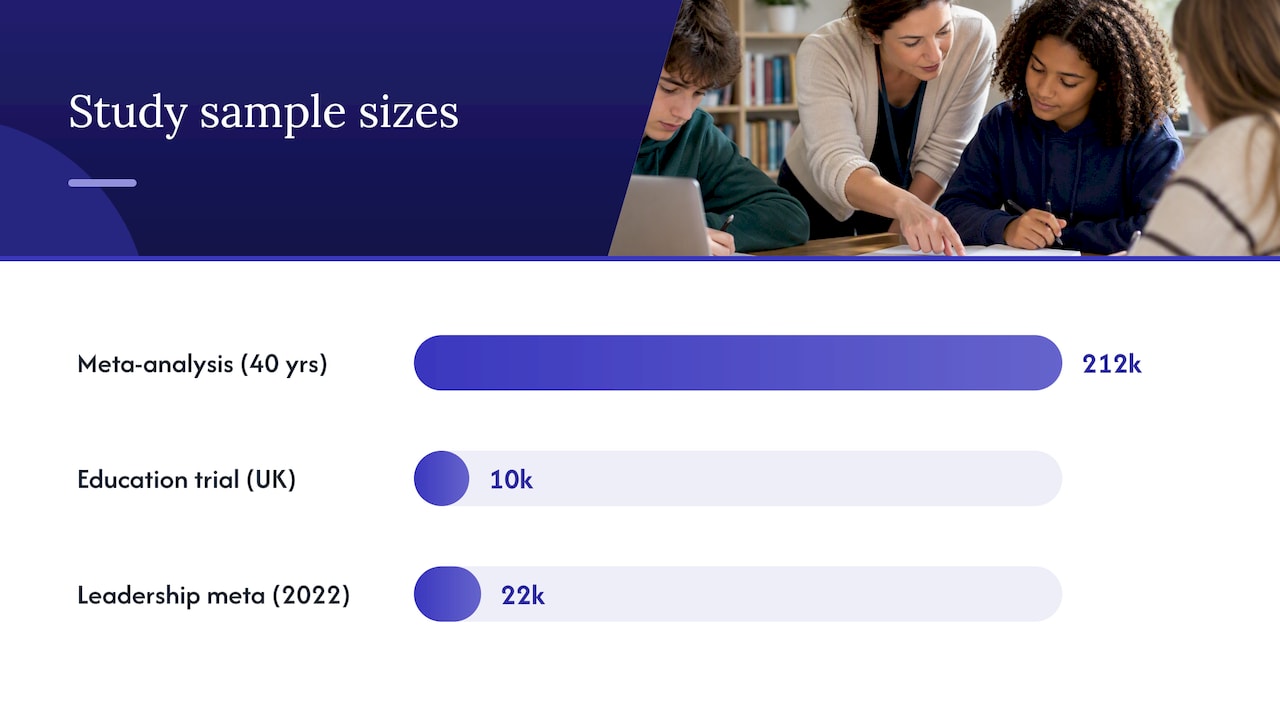
Leadership research adds a third angle. A 2022 meta-analysis of 50 samples and nearly 22,000 people found that empowering, ethical, and servant leadership styles foster intrinsic motivation more effectively than transformational leadership, while abusive supervision does serious damage to it.
Translating that into action:
- Want more output fast: a well-designed incentive can help, at least in the short run.
- Want better quality, creativity, or judgment: protect the person’s sense of ownership over the task.
- Want a team that stays motivated without constant oversight: lead in a way that hands people real decision-making room.
Why Autonomy Is the Hinge Point
Self-Determination Theory, the framework behind most of this research, argues that sustained motivation rests on three basic psychological needs: autonomy (feeling like you have real choice), competence (feeling capable), and relatedness (feeling connected to others) (American Psychological Association). When those three needs are met, people are more likely to stay engaged even when the task gets hard.
This is where the autonomy continuum becomes useful. Not all extrinsic motivation sits in the same place. A motive can be introjected, meaning you act to avoid guilt or to look good, which still feels like outside pressure. It can be identified, meaning you have personally accepted why the goal matters, even if you did not choose the task itself. The theory describes how an extrinsic motive can be internalized and move toward being self-endorsed over time.
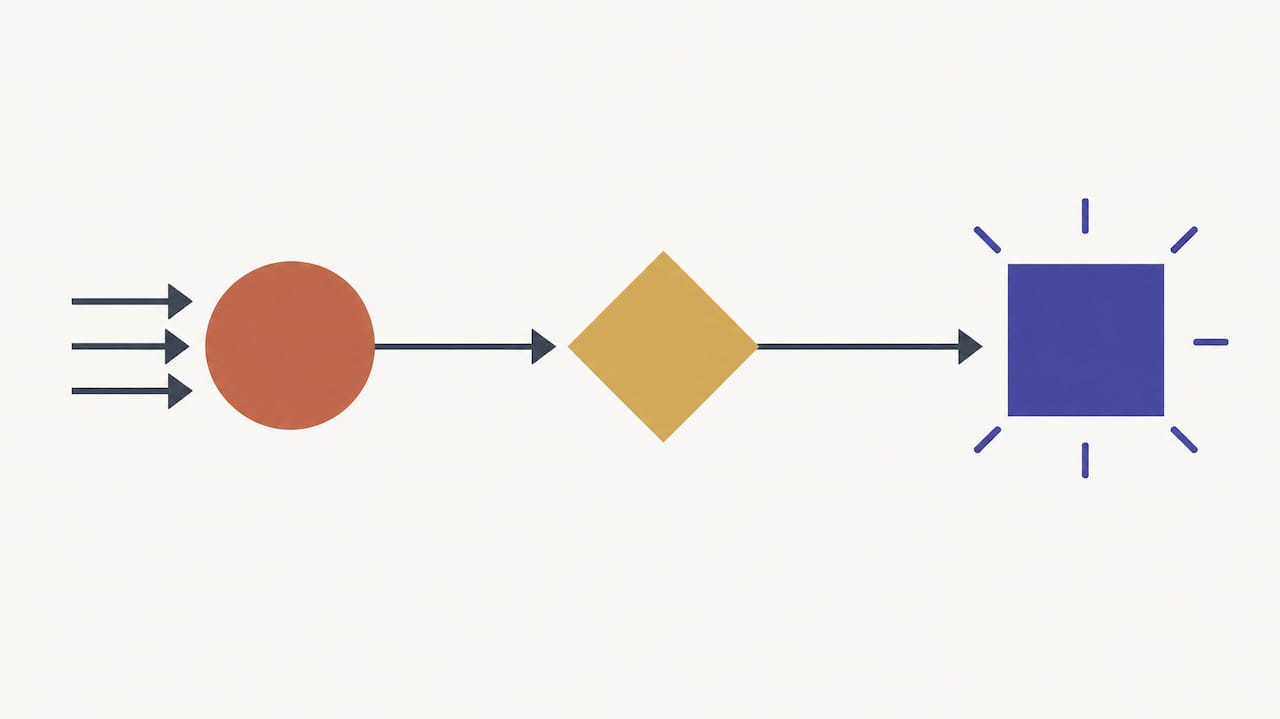
Think about someone forced to learn a new piece of software for their job. At first it is pure introjected motivation: they do it because they would be fired otherwise. A few months in, they notice the software saves them hours every week. The motive shifts from avoiding punishment to genuinely valuing the skill, which is identified regulation. The task never changed. What changed was whether the person felt it was theirs.
How to Build Motivation That Lasts
Boosting intrinsic motivation is not about throwing out rewards. It is about sequencing and framing them so they support autonomy instead of replacing it.
- If you are motivating yourself: pick goals that connect to something you already value, break them into milestones you can see progress on within days rather than months, and track that progress somewhere visible.
- If you teach: frame assignments around mastery rather than grades alone, give feedback that is specific about what worked and why, and offer small, real choices inside the structure, like letting students pick their own essay topic within a unit.
- If you manage people: set goals that leave room for the person to decide how to get there, and when you use incentives, tie them to learning or team outcomes rather than micromanaged individual metrics.
A useful evidence point from research on authentic, informational feedback is that feedback framed around genuine performance information, rather than judgment, tends to build competence without triggering the defensiveness that controlling feedback often causes.
A short list of dos and don’ts for rewards:
- Do use recognition and feedback that gives someone real information about their skill.
- Do tie incentives to learning, teamwork, or mastery rather than raw output alone.
- Don’t use language that sounds like a threat, even subtly (“you’d better hit this number”).
- Don’t introduce surprise punishments tied to missed targets, since that erodes trust fast.
Pro Tip: When you introduce a new incentive, frame it as information about skill rather than as the point of the task itself, for example “this bonus reflects how much your client retention improved” rather than just announcing a number.
Where Motivation Advice Goes Wrong
A common mistake is assuming intrinsic motivation is always the goal and extrinsic motivation is always a problem. That is too simple. If you need someone to finish a repetitive, low-stakes task quickly, a straightforward incentive can be the right tool, since incentives are a reliable predictor of quantity.
The second common mistake is designing incentives that feel controlling. A reward framed as “do this or else” shifts how people see the task, pushing the motive outward instead of inward.
Quick fixes you can try this week:
- Reword one existing incentive so it sounds informational, not threatening.
- Add one small choice into a task that currently has none.
- Swap one piece of judgmental feedback for mastery-focused feedback.
- Pilot a small incentive change and track both effort and quality, not just output.
What Thirty Years in Competitive Sports and Real Estate Taught Me About Motivation
Motivation research backs up the idea that people perform better when they feel ownership, not pressure. That belief shaped “Training, Not Selling,” an approach built on teaching people to understand their choices instead of pushing them toward a script.
This shows up as autonomy-supportive coaching: real decision points inside practice drills, feedback that points at what worked and why, and exercises built around mastery rather than a leaderboard. The goal is the same one the research points to: build competence and ownership so the motivation sticks after the session ends, not just during it.
— Middy
Bring This Into Your Team or Classroom
If you organize training for a team, brokerage, or school and want these ideas applied rather than just explained, sessions can be built around exactly this: teaching people to own their skills instead of handing them a script to follow.

Our interactive workshop applies autonomy-supportive coaching and mastery-focused exercises for sales teams and real estate agents who want results without relying on pressure tactics. For leadership audiences, our leadership keynote and half-day training focuses on authentic feedback and team motivation, and our student motivational speaking sessions bring the same framework into schools. We also offer panel moderation and guest appearances for conferences and events.
- Workshops teach autonomy-supportive feedback and mastery framing, not scripts.
- Sessions are designed for real estate teams, corporate groups, and schools.
- Pricing and scheduling are available on request through each service page.
FAQ
What are the differences between intrinsic and extrinsic motivation for employees?
Intrinsically motivated employees work because the task itself is satisfying, while extrinsically motivated employees work for separable outcomes like bonuses or recognition. Research across 183 studies shows intrinsic motivation more strongly predicts quality of work, while extrinsic incentives more strongly predict quantity, so the two often work best together rather than as a choice between one or the other.
What is an example of intrinsic motivation?
A common example is a person who exercises purely because they enjoy how it feels, with no app, badge, or outside reward involved. Another is an employee who stays engaged with a project because solving the problem itself is satisfying, independent of any bonus tied to it.
Do people with ADHD have intrinsic motivation?
People with ADHD can absolutely experience intrinsic motivation, often intensely for tasks that feel personally interesting or novel, though sustaining motivation for tasks that feel repetitive or low-interest can be harder. This is a difference in how motivation is activated and sustained, not an absence of intrinsic motivation itself.
What is an example of intrinsic and extrinsic?
A student who studies a subject because they find it genuinely fascinating is intrinsically motivated, while a student who studies only to earn a scholarship is extrinsically motivated. Both can lead to studying, but large-scale trials found that financial incentives often raised short-term effort without improving overall learning outcomes.
Sources
- Intrinsic motivation and extrinsic incentives jointly predict performance: A 40-year meta-analysis.
- Findings from the UK’s largest-ever trial on incentive schemes (education RCTs)
- Meta-analysis linking leadership styles to intrinsic motivation (2022).
- Self-determination theory: A quarter century of human motivation research (APA overview).
Leave a Reply