
A sales kickoff agenda has to do three jobs at once: give reps clear direction for the year, transfer real skills they can use Monday morning, and make people feel recognized for what they already did right. Miss any one of those, and the whole event turns into an expensive pep rally that fades by February.
Here’s the one-line version you can steal right now: Morning = direction and product truth. Midday = skills practice and role-based breakouts. Afternoon = customer proof and recognition. Close = one action each rep commits to in writing. That’s the entire skeleton. Everything else in this guide is just filling in the muscle.
The reason this structure works is that it ties every session to something a manager can inspect afterward. A keynote alone produces applause. A keynote followed by a role-play breakout, a recognition moment, and a written Q1 commitment produces behavior a manager can actually coach against 30 days later.
A sales kickoff agenda that earns its budget needs to hit these notes:
- A clear theme that connects to the year’s actual strategy, not a generic slogan
- At least one high-energy opening block that sets emotional tone
- Protected skills practice time that nobody is allowed to cut
- A recognition moment kept separate from strategic announcements
- A measurable follow-up plan that starts before attendees leave the building
Key Takeaways
A sales kickoff agenda succeeds when every session maps to direction, enablement, or culture, and when skills practice survives the schedule crunch that inevitably shows up.
| Point | Details |
|---|---|
| Build from outcomes, not slots | Pick 3 to 5 leadership outcomes first, then design sessions backward from them. |
| Protect practice time | Skills workshops and role plays should be the last thing cut, not the first. |
| Plan 8 to 12 weeks out | Lock venue and AV early since room layout determines which formats are possible. |
| Measure past the event | Track certification completion and coaching touchpoints through 30/60/90 days. |
| Brief speakers on outcomes | Middy Matthews’ “Training, Not Selling” sessions pair keynote energy with a manager handoff for lasting behavior change. |
Table of Contents
- Ready-to-Use Sales Kickoff Meeting Agenda Templates
- What Core Elements Belong in Every Sales Kickoff Meeting Agenda?
- How Do You Plan a Sales Kickoff From Start to Finish?
- Best Practices for Running a Hybrid or Virtual Sales Kickoff
- Should You Add AI Sessions to Your Sales Kickoff Agenda?
- SKO Checklist: Do’s, Don’ts, and Common Pitfalls
- How Do You Measure Sales Kickoff Impact?
- How Do You Choose and Brief a Speaker for Your Sales Kickoff?
- Sources
Ready-to-Use Sales Kickoff Meeting Agenda Templates
You don’t need to build a sales kickoff meeting agenda from scratch. You need to pick the format that matches your team size and travel budget, then adjust the details. Below are four working templates, each built around the same principle: front-load strategic content when energy is highest, and never schedule skills practice as the thing that gets cut when the day runs long.
Half-day agenda (remote or budget-limited teams)
| Time | Session | Owner | Outcome |
|---|---|---|---|
| 30 minutes | Opening and theme reveal | VP Sales | Sets direction and energy |
| 45 minutes | Product and market update | Product Marketing | Reps can explain top 3 changes |
| 60 minutes | Role-based breakout practice | Enablement Lead | Reps rehearse one new talk track |
| 30 minutes | Customer win panel | Sales Ops | Reps hear proof the strategy works |
| 15 minutes | Recognition and Q1 commitment | VP Sales | Every rep leaves with one written action |
Full-day agenda (in-person, single team)
A full day gives you room for a real customer panel, a longer skills block, and a proper close. Morning stays strategic: leadership vision, market positioning, and a product deep dive before lunch. The best sequencing puts high-stakes content in the morning and lighter, more interactive sessions in the afternoon when attention naturally dips. Post-lunch, run the skills workshops and manager-led coaching huddles back to back, then close with recognition and a social hour that’s scheduled, not an afterthought.
Two-day agenda (multi-team or regional events)
Two-day formats work when you’re bringing together AEs, SDRs, and managers from different regions who need dedicated breakout time. Day one should front-load strategic content and end with an evening social event, since that unstructured time consistently rates as one of the highest-value parts of the whole event. Day two flips the energy toward practice and celebration: skills workshops in the morning, role-specific breakouts after lunch, and recognition awards to close. Avoid stretching past three days for most teams. Energy and retention drop fast after that.
Virtual and hybrid agenda
Compress everything into 90-minute blocks with a 15-minute break between each. Open with the same keynote energy as an in-person event, but keep it to 30 minutes max. Follow with smaller breakout rooms of 6 to 8 people for skills practice, since large virtual groups kill participation. Close each day with a live Q&A rather than another presentation. Remote attendees need interaction more than content.
Adjusting for team size and roles: for teams under 20, skip formal breakouts and run practice as one group. For teams over 75, split breakouts by role (AEs practicing negotiation, SDRs practicing cold outreach, managers practicing coaching conversations) so nobody sits through content that doesn’t apply to their job.
To turn any of these templates into an actual run-of-show, add three things: a named speaker owner for each block, an AV cue sheet noting mic handoffs and slide transitions, and a 10-minute buffer after every session longer than 45 minutes. That buffer is what keeps a nine-hour day from bleeding into a ten-hour day.
What Core Elements Belong in Every Sales Kickoff Meeting Agenda?
Every session on your sales kickoff meeting agenda should trace back to one of three outcomes: direction, enablement, or culture. If a session doesn’t map to one of those three, cut it, no matter how popular the speaker is.
- Opening keynote or vision session — outcome: reps can articulate the year’s top 3 priorities in their own words. Track it by pulling a handful of reps aside afterward and asking them to name the priorities cold.
- Product and marketing updates — outcome: reps stop fumbling new feature questions on calls. Track it through call recordings in the first two weeks post-SKO.
- Skills workshops and role plays — outcome: measurable improvement in objection handling or discovery calls. Track it through manager call scoring.
- Role-based breakouts — outcome: AEs, SDRs, and managers each leave with one tactic specific to their job, not a generic takeaway.
- Customer panels — outcome: reps hear proof points they can repeat in their own words, straight from a client’s mouth instead of a slide.
- Recognition and awards — outcome: top performers feel seen, and everyone else sees what winning behavior actually looks like.
- Action planning and commitments — outcome: each rep writes down one specific behavior change for Q1, ideally reviewed by their manager within a week.
Skills sessions deserve extra protection here. They’re consistently the first thing planners cut when the agenda runs over, and that’s backward. Practice produces measurable behavioral change; another 20-minute leadership speech usually doesn’t. If you’re choosing between adding a fourth executive to the stage or keeping the role-play block intact, keep the role-play block.
Balance matters as much as content. An agenda that’s all inspiration produces energy with no follow-through. An agenda that’s all skills drills feels like a training seminar, not a kickoff. An agenda that’s all recognition feels like an awards banquet with no direction. The strongest sales kickoff agendas rotate through all three purposes at least twice across the event, so no single mode dominates for more than 90 minutes at a stretch.
How Do You Plan a Sales Kickoff From Start to Finish?
Planning a sales kickoff runs cleanest on an 8 to 12 week timeline for most one- or two-day events, and the sequence matters more than the calendar math. Lock the venue and AV setup early, because room layout dictates which session formats are even possible — you can’t run four simultaneous breakouts in a single ballroom with no dividing walls.
- Weeks 12–10: Set outcomes. Pick 3 to 5 leadership outcomes you want reps acting on next quarter. Everything else gets built backward from this list.
- Weeks 10–8: Lock venue, AV, and speaker contracts. Confirm room capacity, breakout space, and streaming setup if you’re going hybrid.
- Weeks 8–6: Assign session owners and draft the run-of-show. Turn the agenda into a document with speaker cues, AV notes, and timing buffers built in.
- Weeks 6–4: Send pre-work and save-the-date communications. Include what reps should review before arriving, not just logistics.
- Weeks 4–2: Rehearse with speakers and confirm travel. Every speaker gets a run-through, not just the keynote.
- Week 1: Final walkthrough and backup planning. Confirm who covers a no-show speaker and what happens if the AV feed drops.
- Within 48 hours post-event: Send recaps, recordings, and manager coaching notes. Momentum dies fast if this slips past two days.
Budget breaks into predictable categories: venue and AV typically eat the largest share, followed by travel, speaker fees, meals, and production. Swag and branded materials come last on the priority list. If you need to trim, cut swag before you cut speaker rehearsal time or breakout room capacity. A cheaper venue with proper breakout space beats a nicer one that forces you to run skills practice in a hallway.
Pro Tip: Assign a stage manager who is separate from your content owners. Someone dedicated to timing, mic handoffs, and AV cues catches problems a speaker mid-presentation never will.
Best Practices for Running a Hybrid or Virtual Sales Kickoff
Remote attendees disengage fast when an agenda built for an in-person room gets streamed without adjustment. The fix starts with the technical checklist, not the content.
- Confirm redundant internet connections and a backup streaming device before the event, not the morning of
- Use a stage layout with clear camera angles so remote viewers see speakers, not the backs of heads in row three
- Cap live content blocks at 30 to 45 minutes for remote audiences, since attention drops faster on screen than in a room
- Build in interactive polls or chat prompts every 15 minutes to keep virtual attendees from tuning out
- Run breakouts in smaller virtual rooms of 6 to 8 people rather than one large call
Flipped-classroom formats work particularly well here: send pre-work before the event so live time is reserved for practice and coaching rather than lecture. Micro-workshops of 20 to 30 minutes with a specific skill target outperform hour-long remote sessions almost every time.
Equity matters too. Remote attendees miss the hallway conversations and impromptu networking that make in-person events valuable, so build substitutes deliberately: dedicated virtual networking rooms, searchable session transcripts, and short clip packs sent out within 48 hours so nobody feels like they got a lesser version of the event.

Pro Tip: Record every breakout, not just the main stage. The clips you think nobody will watch are usually the ones a manager pulls up three weeks later during a coaching conversation.
Should You Add AI Sessions to Your Sales Kickoff Agenda?
Yes, but carefully. SKOs increasingly include AI-readiness elements: pre-work that introduces the tools reps will use, live AI-assisted role plays, and manager coaching guides that sustain adoption after the event ends. The mistake is turning this into a vendor demo instead of a practice session.
High-value formats include AI-assisted role plays where reps draft a talk track with a tool, then practice delivering it live. Copilot-style work sessions where reps draft real follow-up emails or call prep notes during the block, not hypothetical ones. And a short session reviewing win-loss patterns so reps see which objections actually come up most, rather than guessing at priorities.
- Send pre-work that gets reps logged into the AI tool before they arrive, so live time isn’t spent on setup
- Set clear guardrails: AI drafts a starting point, the rep still owns the judgment call
- Avoid promising AI will replace discovery skills. It sharpens prep, it doesn’t replace the conversation
- Pick one or two use cases (message drafting, objection simulation) rather than a broad tour of every feature
Pro Tip: Have someone capture short video clips during AI role-play sessions and turn them into a one-page action list for managers. It’s a five-minute edit that saves a manager an hour of note-taking.
SKO Checklist: Do’s, Don’ts, and Common Pitfalls
Thirty days out, confirm speaker contracts, finalize the AV run-of-show, and lock catering counts. Seven days out, send final logistics to attendees, confirm remote access links, and run a full speaker rehearsal.
Do:
- Protect skills practice time even when the agenda runs long
- Keep recognition moments separate from strategic announcements
- Give every remote attendee the same networking substitute as in-person guests
Don’t:
- Stack two long keynotes back to back with no practice block between them
- Let a late-added executive speaker eat into breakout time
- Treat the closing session as optional. It’s where commitments get written down
Common pitfalls have simple fixes. If leadership wants to add a speaker three weeks out, the diplomatic answer is showing them the run-of-show and asking what gets cut to make room, rather than absorbing the time into breakouts. If a speaker cancels last minute, have a backup internal presenter briefed on the topic ahead of time. If AV fails mid-session, have a printed backup deck and a designated person whose only job that day is troubleshooting tech.
How Do You Measure Sales Kickoff Impact?
Track a small set of metrics that connect directly to session types, and assign ownership before the event ends, not after.
| Metric | Tied to session | Owner |
|---|---|---|
| Attendance and session NPS | All sessions | Event organizer |
| Rep-rated confidence on new talk tracks | Skills workshops | Enablement lead |
| Role-based certification completion | Breakouts | Sales manager |
| Coaching touchpoints logged | Action planning | Sales manager |
| Early-pipeline velocity | Product updates, customer panels | Sales ops |
Run a 30/60/90-day reinforcement plan tied to manager checkpoints. At 30 days, managers review the written Q1 commitment each rep made at the close of the event. At 60 days, package breakout outputs and role-play recordings into short, reusable clips and playbooks managers can pull into one-on-ones. At 90 days, compare early-pipeline velocity against the prior quarter to see whether the skills actually stuck.
Package everything you can into assets managers will actually reuse. A 90-second clip of a strong role play does more coaching work than a 40-slide recap deck nobody opens.
How Do You Choose and Brief a Speaker for Your Sales Kickoff?
Selection comes down to three questions: does this speaker’s theme genuinely connect to your strategy, do they have a track record with sales teams specifically, and can they deliver something reps use the following week instead of just quotable lines. A track record delivering practical, repeatable outcomes matters more than stage presence alone.
When vetting vendors, ask directly: what predictable outcomes have you delivered for teams like ours, and can you provide a 30/60/90-day follow-up plan tied to the session? A speaker who can’t answer the second question probably isn’t built for behavior change, just applause.
Briefing a speaker takes four elements: the core message tied to your leadership outcomes, the specific behavior you want reps to leave with, an exact session length with no flex, and clear expectations for what managers do with the material afterward. Middy Matthews builds sessions around exactly this handoff. Her “Training, Not Selling” approach draws on three decades split between competitive sports and real estate coaching, and it favors behaviorally anchored practice over persuasion-first pep talks, which is precisely the kind of session that survives past the closing applause.
Pro Tip: Ask every speaker candidate for a sample 30/60/90 follow-up plan before you sign. If they don’t have one ready, they haven’t thought past the stage.
A planner’s take on what actually goes wrong
The mistake I see most often isn’t a bad speaker. It’s a great speaker with no rehearsal time, dropped into an agenda that already ran long before they took the stage. I watched a planning team cut a 45-minute practice block down to 10 minutes to fit in a last-minute executive guest, and the reps who needed that practice most walked out with a slide deck instead of a rehearsed skill.
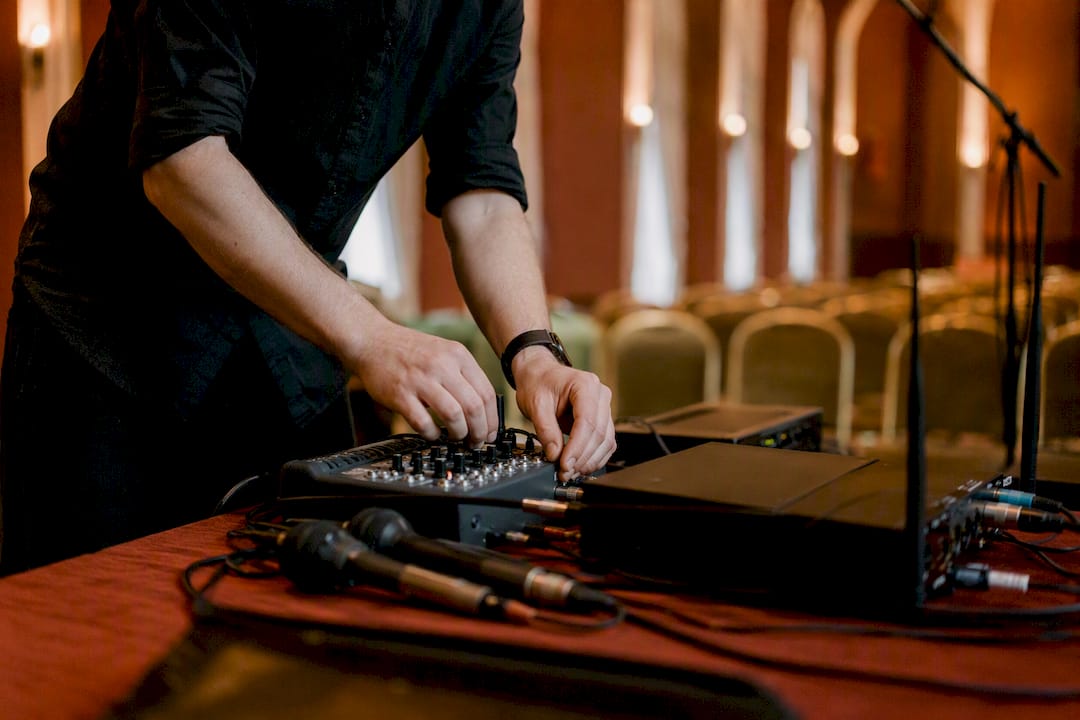
If there’s one thing I insist belongs in every kickoff, it’s this: protect the practice block like it’s the keynote, because for most reps, it is the session that actually changes what they do on Monday.
If You Need a Keynote or Workshop for Your Sales Kickoff
Middy Matthews builds keynotes, workshops, and half-day trainings around the same principle running through this whole guide: direction and recognition matter, but nothing sticks without practice. Her sessions draw on 30 years split between competitive sports and real estate to make resilience and teamwork concrete rather than theoretical, and every format ends with a manager handoff so the behavior change doesn’t stop when the applause does.
A booking conversation covers format (keynote, workshop, or half-day training), your leadership outcomes for the year, and prep time needed for a rehearsal. Middy typically asks what you want reps doing differently by Q1 before she drafts a single slide, which is the same outcome-first question this guide has pushed from the start. Explore sales training formats built to hold up past the closing session, or reach out through Middy to check dates and get a sample session outline built around your agenda.
Sources
- SKO Agenda: A Full Sample Sales Kickoff Agenda + Day-by-Day Tips
- Sales Kickoff Agenda Template and Planning Checklist | Gather Shot
- Guide to 2026 Sales Kickoffs: Themes, Agendas, and Templates
- Sales Kickoff Agenda Template: A Full SKO Run-of-Show for Revenue Leaders | ORM
- Sales kickoff planning tips, sample agenda and checklist
Recommended
- How to Choose a Keynote Speaker for Your Sales Kickoff – Middy Matthews | Keynote Speaker
- Why a Sports-Themed Sales Keynote Energizes Your Kickoff – Middy Matthews | Keynote Speaker
- From the Starting Line to the Sale: A Sports Keynote for Revenue Teams – Middy Matthews | Keynote Speaker
- Keynote Topics That Work for Credit Union Conferences – Middy Matthews | Keynote Speaker
Leave a Reply